2026年11月12日~17日に修士2年のAngelo Paravecinoさんがインドネシアにおける研修に参加しましたのでその参加記を掲載します。日本語は機械翻訳したものです。
Academic Visit to Universitas Gadjah Mada, Indonesia
2026 Learning Satellite Program | Yogyakarta, Indonesia | October 12–17, 2026
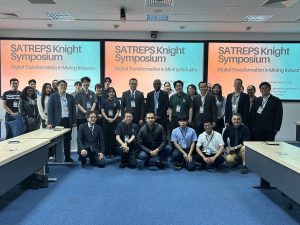
Angelo Paravecino, a member of the Resource Management Laboratory at Hokkaido University, participated in the 2026 Learning Satellite Program hosted by Universitas Gadjah Mada (UGM) in Yogyakarta, Indonesia. The six-day program, “Current Situation and Countermeasures of Environmental Pollution in the Tropical Area,” brought together students and faculty members from both universities for scientific learning and cultural exchange.
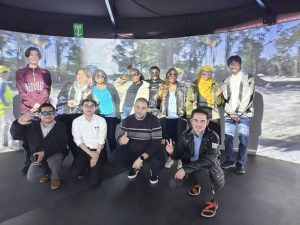
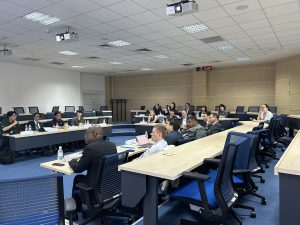
During the visit, participants attended lectures on environmental issues in Indonesia, water purification by catalysis, advanced porous materials for remediation, and emerging water pollutants. The program also included a tour of UGM and opportunities to interact with Indonesian students and researchers.
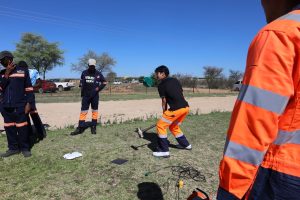
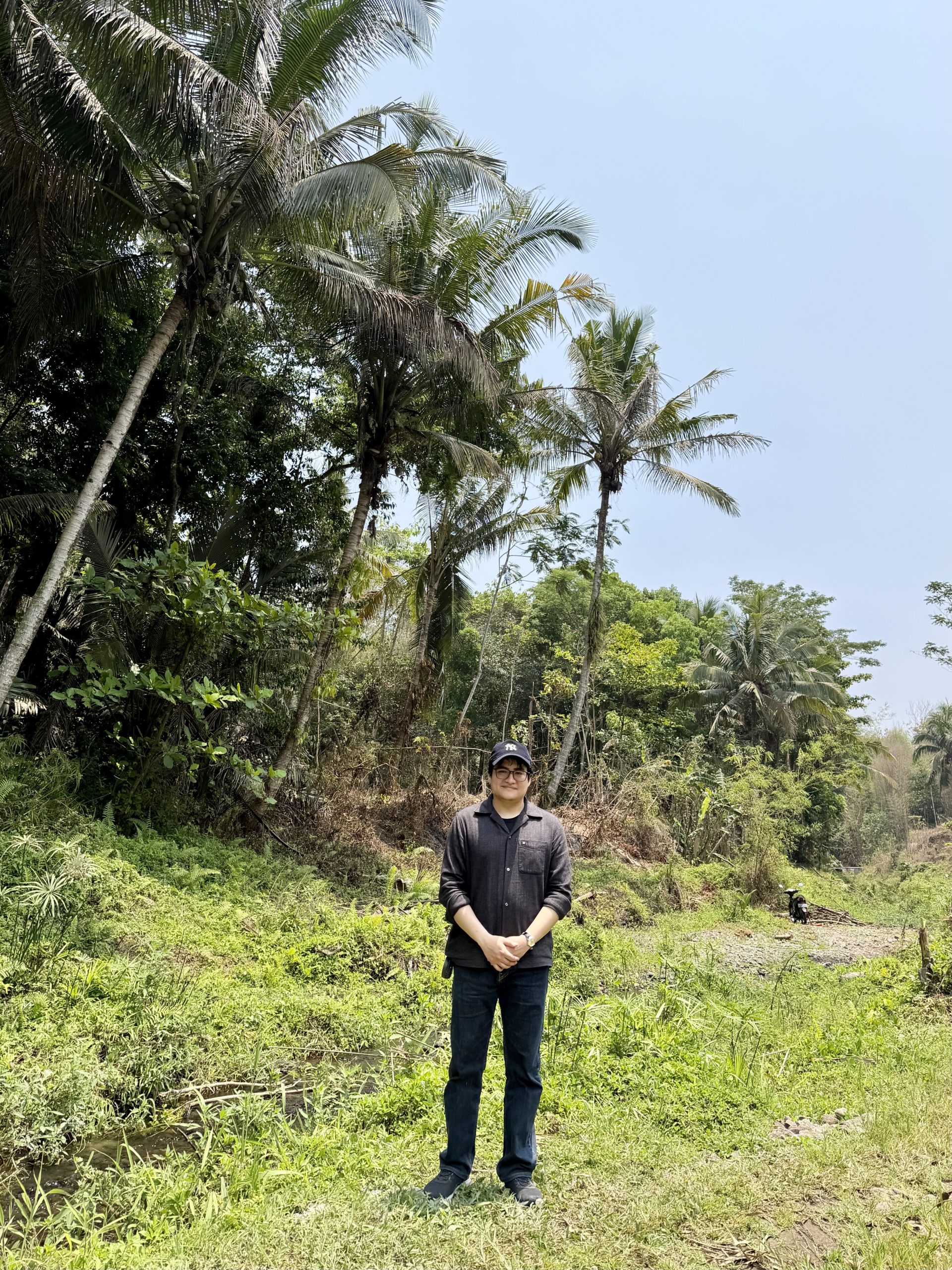
The Code River, an important waterway running through Yogyakarta and closely connected to the social, cultural, and economic life of communities along its banks. Its environmental condition matters not only for river ecosystems but also for the wellbeing of local residents. A highlight of the visit was fieldwork along the Code River, where water was sampled at upstream, midstream, and downstream locations. Subsequent laboratory work focused on four water-quality parameters: total coliform bacteria (an indicator of microbiological contamination), chemical oxygen demand or COD (an indicator of oxidizable substances), nitrate (NO₃⁻, associated with nutrient pollution), and lead (Pb, a toxic heavy metal). The students also examined two treatment materials: activated carbon derived from coconut shells and the anion-exchange resin Amberlite IRA-410, comparing their effects on the measured water-quality indicators.
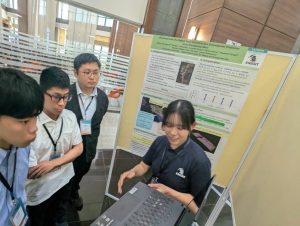
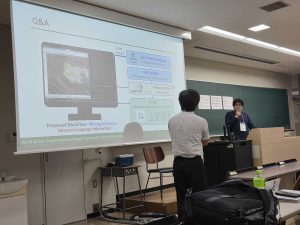
As part of the collaborative research activities, Angelo contributed to the development of a computer vision approach for automated coliform colony detection and counting. The approach involved image-based color analysis, shape and size detection, and automated colony counting, offering a potential alternative to conventional manual counting methods. This image-based analytical approach is closely related to the computer vision and quantitative image analysis work carried out in the Resource Management Laboratory. The findings were subsequently presented and discussed with faculty members and fellow participants.
The experience extended beyond the laboratory. Participants explored Yogyakarta and visited the historic Prambanan and Borobudur temples, gaining insight into Indonesia’s cultural heritage. The combination of field sampling, laboratory experiments, scientific discussions, and cultural visits made the program a valuable opportunity for international academic exchange.
インドネシア・ガジャマダ大学での学術研修
2026年度ラーニングサテライト・プログラム|インドネシア・ジョグジャカルタ|2026年10月12日~17日
北海道大学の資源管理学研究室に所属する修士課程2年のAngelo Paravecinoさんが、2026年10月12日から17日にかけて、インドネシア・ジョグジャカルタのガジャマダ大学(Universitas Gadjah Mada:UGM)で開催された「2026年度ラーニングサテライト・プログラム」に参加しました。本プログラムは「熱帯地域における環境汚染の現状と対策(Current Situation and Countermeasures of Environmental Pollution in the Tropical Area)」をテーマとし、6日間にわたり、両大学の学生および教員が科学的知識の習得と文化交流を行いました。
研修期間中、参加者はインドネシアの環境問題、触媒を用いた水質浄化、環境修復に向けた先端多孔質材料、新たに問題となっている水質汚染物質などに関する講義を受講しました。また、ガジャマダ大学の施設見学や、インドネシアの学生・研究者との交流も行われました。
ジョグジャカルタ市内を流れるコード川(Code River)は、流域住民の社会・文化・経済活動と密接に関わる重要な河川です。その水環境は、河川生態系だけでなく、地域住民の生活や健康にも大きく影響します。今回の研修では、コード川でのフィールドワークが主要な活動の一つとなり、上流・中流・下流の各地点で河川水を採取しました。その後の室内実験では、総大腸菌群(微生物汚染の指標)、化学的酸素要求量(COD:被酸化性物質の指標)、硝酸イオン(NO₃⁻:栄養塩類による汚染に関連する指標)、鉛(Pb:有害な重金属)の4項目について水質分析を行いました。さらに、ヤシ殻由来の活性炭と陰イオン交換樹脂Amberlite IRA-410の2種類の水処理材料を用いて、各水質指標に対する処理効果を比較・検討しました。
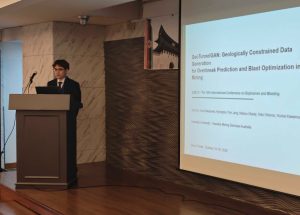
共同研究活動の一環として、Angeloさんはコンピュータビジョン技術を活用した大腸菌群コロニーの自動検出・計数手法の開発に取り組みました。この手法では、画像に基づく色彩分析、形状・サイズの検出、およびコロニー数の自動計測を組み合わせることで、従来の目視による手動計数に代わる分析方法の可能性を検討しました。こうした画像解析に基づくアプローチは、資源管理学研究室で取り組んでいるコンピュータビジョンや定量的画像解析の研究とも密接に関連しています。得られた成果は、教員や他の参加学生に向けて発表され、意見交換が行われました。
本研修では、研究活動に加えて文化交流の機会も設けられました。参加者はジョグジャカルタ市内を散策するとともに、歴史的建造物であるプランバナン寺院やボロブドゥール寺院を訪れ、インドネシアの豊かな文化遺産への理解を深めました。河川での試料採取、室内実験、科学的な議論、文化施設の訪問を組み合わせた本プログラムは、国際的な学術交流を深める貴重な機会となりました。